


sustainable schools agriculture program
integrated initiatives into school-based environmental education
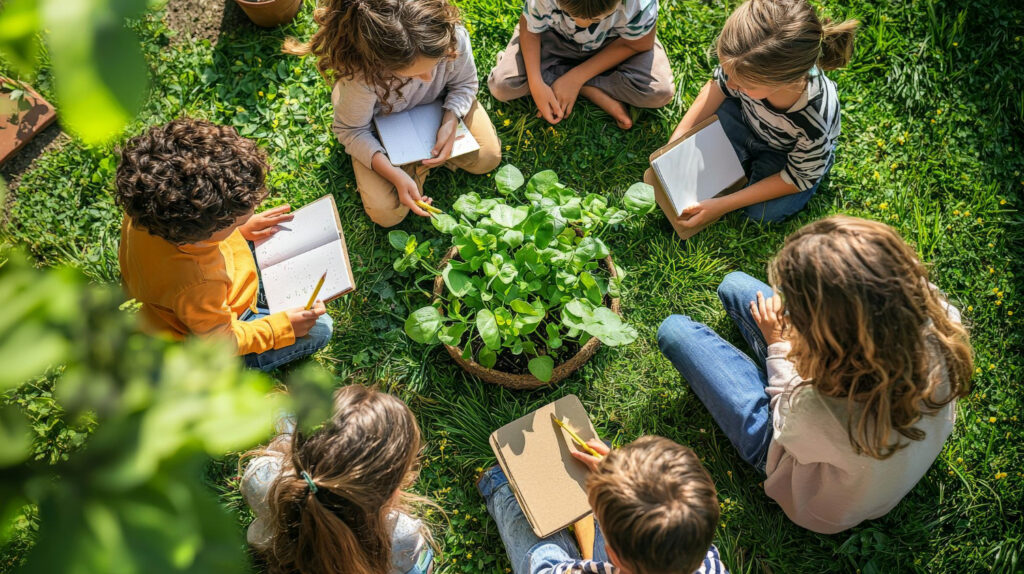
The Sustainable Schools Agriculture Program is an educational and environmental initiative designed to integrate sustainable agriculture into school environments through practical, hands-on learning experiences. The program transforms underutilized or degraded school spaces into productive gardens, creating living laboratories where students engage directly with nature, food systems, and environmental stewardship.
By combining theoretical instruction with applied activities, the program fosters a deeper understanding of sustainability, nutrition, and ecological responsibility. It promotes interdisciplinary learning by connecting science, health, and environmental education within a structured and participatory framework.
The initiative is aligned with global development priorities, particularly those related to food security, quality education, and sustainable communities, while cultivating a sense of responsibility, collaboration, and long-term environmental awareness among students.
Environmental education through cultivation, responsibility, and practical learning
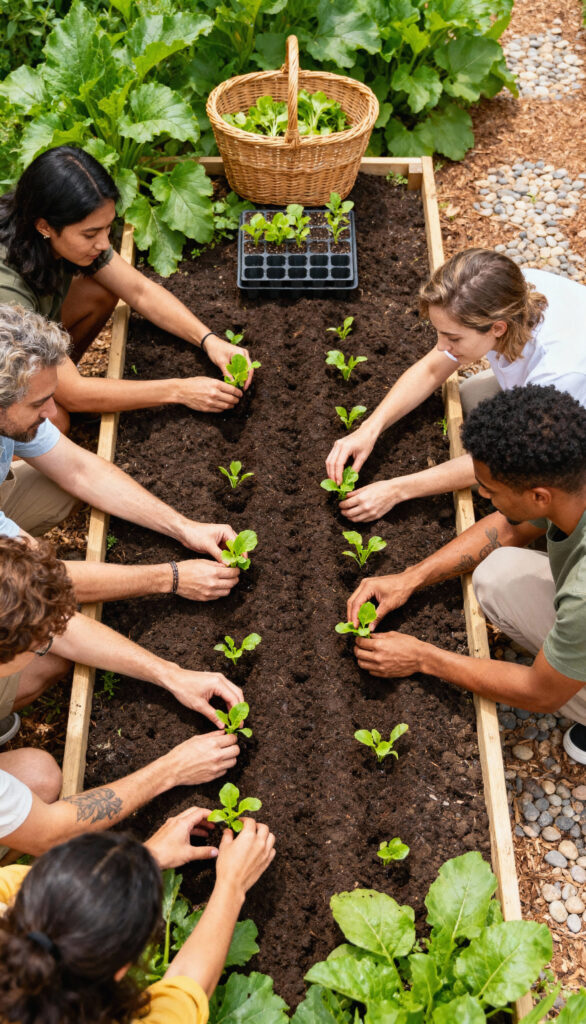
Strategic Objectives
Promote environmental education through experiential learning in school gardens.
Introduce students to fundamental principles of sustainable agriculture and horticulture.
Encourage healthy eating habits through direct contact with food cultivation.
Foster teamwork, responsibility, and community engagement within the school environment.
Transform school spaces into sustainable, productive, and educational environments.
Strengthen awareness of ecological practices, including soil care, biodiversity, and natural resource management.
Target Audience
The program directly benefits:
Students in primary and lower secondary education
Teachers, particularly in science and related disciplines
School communities seeking to integrate sustainability into their educational practices
The initiative may also engage school administrators, local communities, and partner organizations.
Program Structure
The Sustainable Schools Agriculture Program is implemented through a structured, modular approach combining theory and practice:
1. Site Assessment & Preparation
Evaluation of available school space, including existing garden beds or potential areas for development. Activities may include cleaning, soil preparation, and basic infrastructure setup, ensuring suitability for cultivation.
2. Planting & Cultivation Module
Introduction of selected plant species — including vegetables, herbs, and medicinal plants — adapted to local conditions. Students participate actively in planting, identification, and understanding the characteristics and uses of each species.
3. Maintenance & Sustainability Practices
Training in irrigation techniques, natural pest control, soil enrichment, and crop rotation. Emphasis is placed on sustainable and low-impact agricultural practices.
4. Educational Integration
The program incorporates theoretical sessions addressing nutrition, environmental sustainability, plant biology, and the social importance of food systems, reinforcing classroom learning through practical application.
5. Continuity & Community Engagement
Guidance is provided to ensure the long-term maintenance of the garden, encouraging ongoing student participation and potential involvement of families and the broader community.
Expected Outcomes & Impact
The program is designed to generate measurable educational, environmental, and social outcomes, including:
Creation or revitalization of productive school gardens
Increased student knowledge of sustainable agriculture and environmental practices
Strengthened connection between students and natural ecosystems
Promotion of healthier dietary habits and nutritional awareness
Enhanced collaboration between students, teachers, and school communities
Establishment of a replicable model for school-based sustainability initiatives
Beyond individual schools, the program contributes to a broader cultural shift toward sustainability and environmental responsibility.
Partnerships
The Sustainable Schools Agriculture Program seeks strategic collaboration with:
Public and private educational institutions
Environmental organizations and sustainability-focused NGOs
Agricultural and horticultural specialists
Corporate partners supporting environmental and educational initiatives
All partnerships operate under principles of transparency, ethical governance, and measurable social impact.
Geographic Scope
Initially implemented in schools in Brazil, the program is designed as a scalable and adaptable model for diverse educational contexts. Its structure allows replication in urban and rural environments across Latin America, Africa, and other regions where environmental education and food security are strategic priorities.
The program can be tailored to local climates, cultural contexts, and available resources, ensuring both relevance and long-term sustainability.
Get Involved
The Sustainable Schools Agriculture Program welcomes collaboration with schools, partners, and institutions committed to advancing environmental education and sustainable development through practical, community-based initiatives.