


DNA BRAZIL – HERITAGE & IDENTITY PROGRAM
Exploring Brazilian heritage and identity through scientific, cultural and historical education
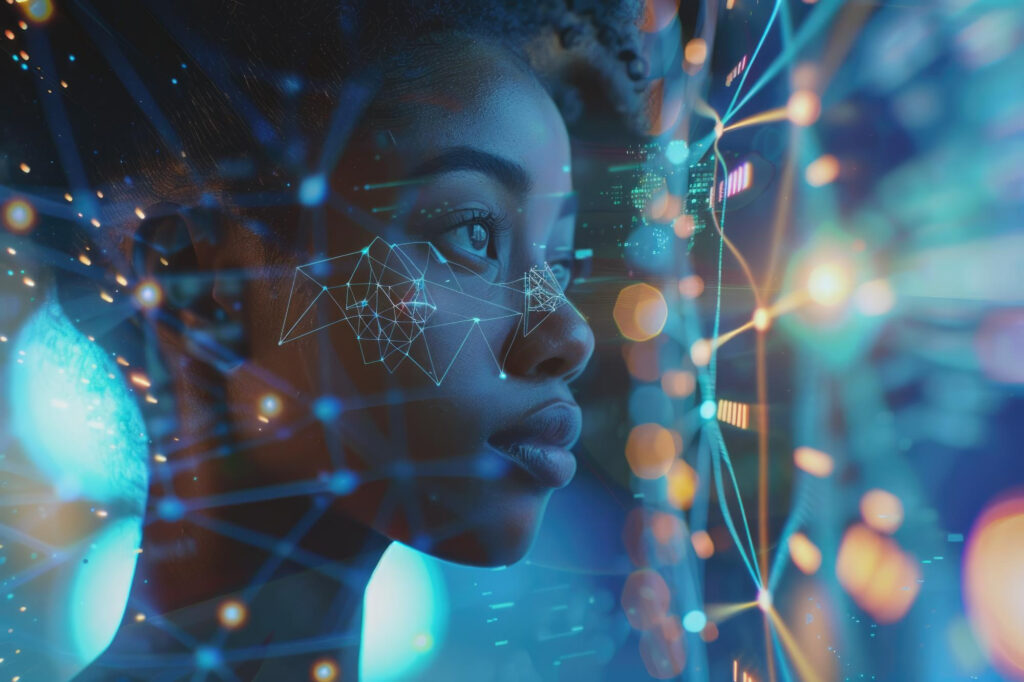
Connecting science, identity, and culture through knowledge and lived experience
The DNA Brazil – Heritage & Identity Program is an interdisciplinary initiative that combines science, education, and cultural exploration to help individuals understand their origins and connect with their historical and cultural heritage. By integrating genetic analysis with educational and experiential learning, the program offers a structured pathway toward self-knowledge and intercultural awareness.
Through partnerships with accredited laboratories and educational institutions, participants gain access to genetic ancestry insights that are contextualized within broader historical, geographic, and cultural narratives. The initiative transforms scientific data into meaningful educational experiences, fostering a deeper understanding of identity and belonging.
Beyond analysis, the program offers opportunities for cultural immersion, enabling participants to explore regions connected to their ancestry and engage directly with the traditions, histories, and communities that shape their heritage.
Strategic Objectives
Promote understanding of individual and collective heritage through scientific and educational tools.
Encourage cultural awareness and intercultural dialogue.
Integrate genetic research with historical and cultural education.
Foster a sense of identity, belonging, and social connection.
Support experiential learning through cultural immersion and travel.
Strengthen the relationship between science, education, and human development.
Target Audience
The program directly benefits:
Individuals interested in exploring their genetic and cultural origins
Students and young participants engaged in cultural and educational initiatives
Communities seeking to strengthen awareness of heritage and identity
The initiative also engages academic institutions, research centers, and cultural organizations.
Program Structure
The DNA Brazil – Heritage & Identity Program operates through a structured, multi-phase framework:
1. Genetic Analysis & Scientific Interpretation
Participants undergo genetic ancestry analysis conducted by accredited laboratories. Results are presented within an educational framework, ensuring clear interpretation and contextual understanding.
2. Historical & Cultural Contextualization
Genetic findings are complemented by historical, geographic, and cultural insights, allowing participants to understand migration patterns, regional identities, and cultural influences associated with their ancestry.
3. Educational Guidance & Reflection
Participants receive structured guidance to interpret their results, encouraging reflection on identity, diversity, and cultural heritage within a broader societal context.
4. Cultural Immersion Experiences
Where applicable, the program offers opportunities for cultural travel experiences connected to participants’ ancestral origins. These experiences are designed as educational journeys, promoting direct engagement with local cultures, traditions, and communities.
5. Community & Educational Integration
The initiative may extend to schools and community groups, promoting collective learning experiences and reinforcing the value of cultural diversity and shared heritage.
Expected Outcomes & Impact
The program is designed to generate meaningful educational, cultural, and social outcomes, including:
Enhanced understanding of personal and collective identity
Strengthened appreciation for cultural diversity and heritage
Integration of scientific knowledge into educational experiences
Promotion of intercultural dialogue and global awareness
Creation of transformative learning experiences through cultural immersion
Increased engagement with history, science, and community identity
The initiative contributes to building a more informed, connected, and culturally aware society.
Partnerships
The DNA Brazil – Heritage & Identity Program seeks strategic collaboration with:
Genetic research laboratories and scientific institutions
Universities and academic research centers
Cultural organizations and heritage institutions
Travel and cultural exchange organizations
Foundations and sponsors supporting education and scientific outreach
Partnerships ensure scientific integrity, educational quality, and meaningful participant experiences.
Geographic Scope
Initially implemented in Brazil, the program is designed as a scalable model with international relevance. Its framework allows expansion into a broader global initiative, connecting participants across different regions and cultural contexts.
The program is particularly suited to multicultural societies and international environments where questions of identity, migration, and heritage are central.
Program Duration
The duration varies according to participant engagement, including phases of analysis, educational interpretation, and optional cultural immersion experiences.
Scale & Implementation Vision
The program is initially structured to support a limited cohort of participants, ensuring quality, depth, and individualized guidance. Over time, it may expand to broader audiences, including educational institutions and community-based initiatives.
Investment & Resource Framework
The program operates through a structured allocation of resources covering genetic analysis, educational support, and the organization of cultural experiences. Investment is directed toward creating high-quality, transformative learning opportunities aligned with the mission of the WEF Brasil.
Legacy & Long-Term Impact
The initiative seeks to establish a lasting legacy by promoting identity awareness, cultural understanding, and scientific literacy. It reinforces the role of education as a bridge between knowledge and human experience.
By connecting individuals to their roots, the program contributes to a broader vision of social cohesion, cultural respect, and global understanding.
Get Involved
The DNA Brazil – Heritage & Identity Program invites institutions, partners, and participants to engage in a unique journey that connects science, history, and culture. Through collaboration, the initiative promotes knowledge, identity, and shared human heritage.